Top 10 Steps to Prepare for MRI, CT Scans, and Ultrasound in Kuwait
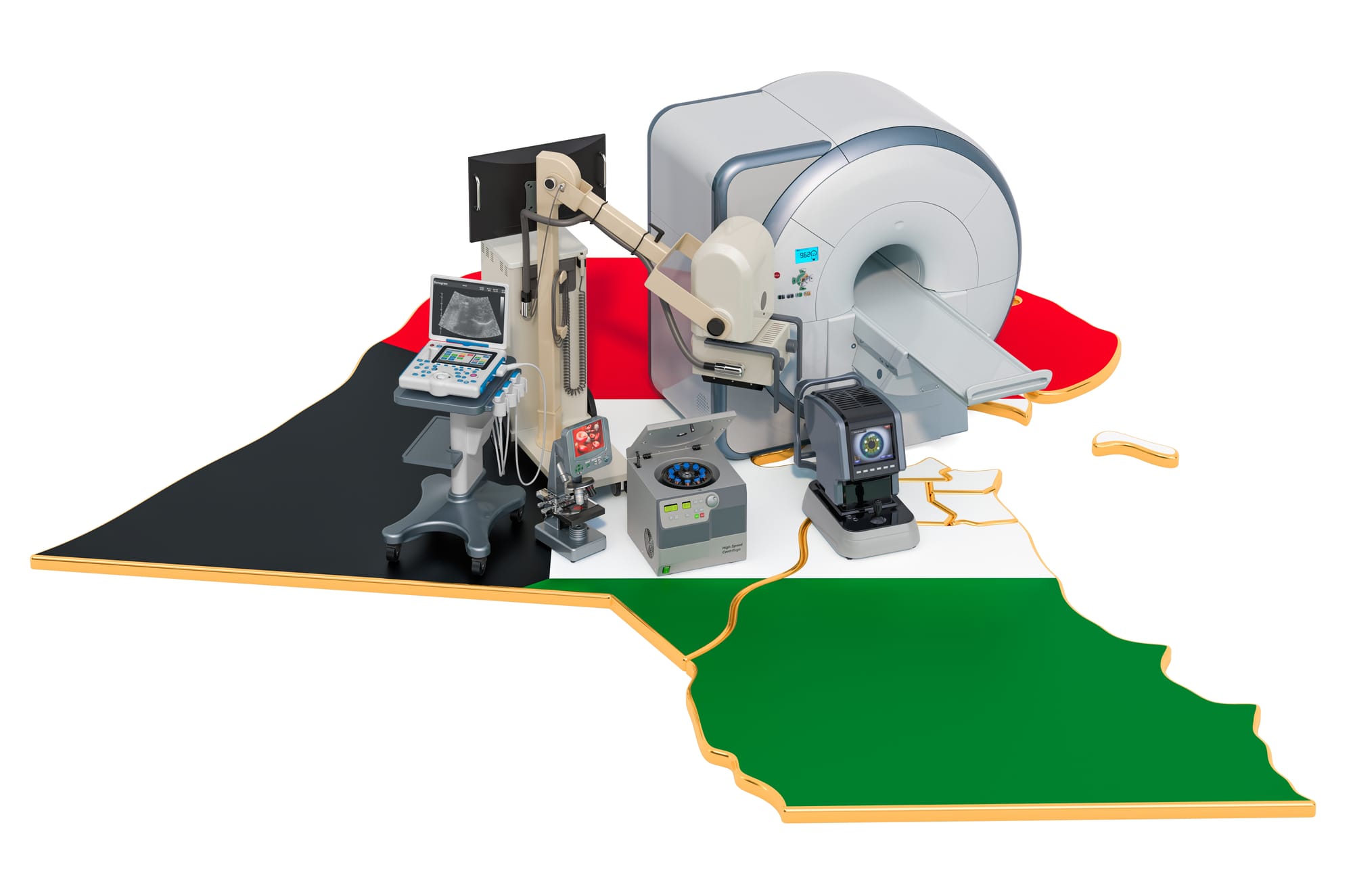
introduction
Magnetic resonance imaging (MRI), computed tomography (CT) scans, and ultrasound are among the most requested diagnostic tests in Kuwait, whether for emergency cases, outpatient clinics, or chronic follow-up. The accuracy of the results depends not only on the imaging equipment and the medical team's expertise but is also directly affected by the quality of pre-appointment preparation. Proper preparation reduces the likelihood of repeat scans, shortens waiting times, and protects against interferences that could alter the image, such as patient movement, a full stomach, the use of contrast dyes without proper preparation, or the presence of undeclared metals in the case of an MRI.
This guide outlines the 10 most important practical steps for preparing for MRI, CT scans, and ultrasounds in Kuwait. The steps are presented as clear points that can serve as a checklist before your appointment, highlighting the key differences between each scan, when fasting is required, how to prepare for the procedure, what to tell the technician and doctor, and how to prepare your documents and medical history in a way that saves time and increases diagnostic accuracy.
1) Understand precisely the type of test, why it was requested, and whether it is with or without dye.
The first real preparation step begins before any fasting or stopping medications. Many cases of delay or repeat imaging in Kuwait occur because the patient does not know whether the scan is an MRI or CT, whether contrast dye is required, whether the imaging is for one area or more, and whether a special protocol is required such as angiography, a multi-level spinal scan, or a pelvic ultrasound with a full bladder.
Ask the booking office or center for details about the medical request. Ask them to repeat the name of the test as it appears on the referral, the location of the scan, whether there is intravenous or oral contrast, and whether any special preparation is required, such as drinking water, providing kidney creatinine results, or stopping certain medications.
- MRI uses a magnetic field, does not use X-rays, and may be performed with or without gadolinium contrast. Preparation focuses on metals, implanted devices, and stability during imaging.
- A CT scan uses X-rays and may require intravenous or oral iodine contrast, depending on the area being scanned. Preparation focuses on fasting, kidney function, allergies, monitoring of diabetes, and medications such as metformin if needed.
- Ultrasound uses sound waves and does not use radiation, but preparation varies greatly depending on the organ being examined. Abdominal ultrasounds often require fasting to reduce gas. Pelvic ultrasounds often require a full bladder. Pregnancy ultrasounds have different requirements depending on the gestational age.
The more you understand the type of scan and its purpose, the better prepared you can be. This increases the likelihood of getting a clear result the first time, especially in scans that require patient cooperation, such as MRIs of the spine, joints, or brain, or chest CT scans with breath-holding.
2) Prepare your medical file, papers, and previous results well in advance
